
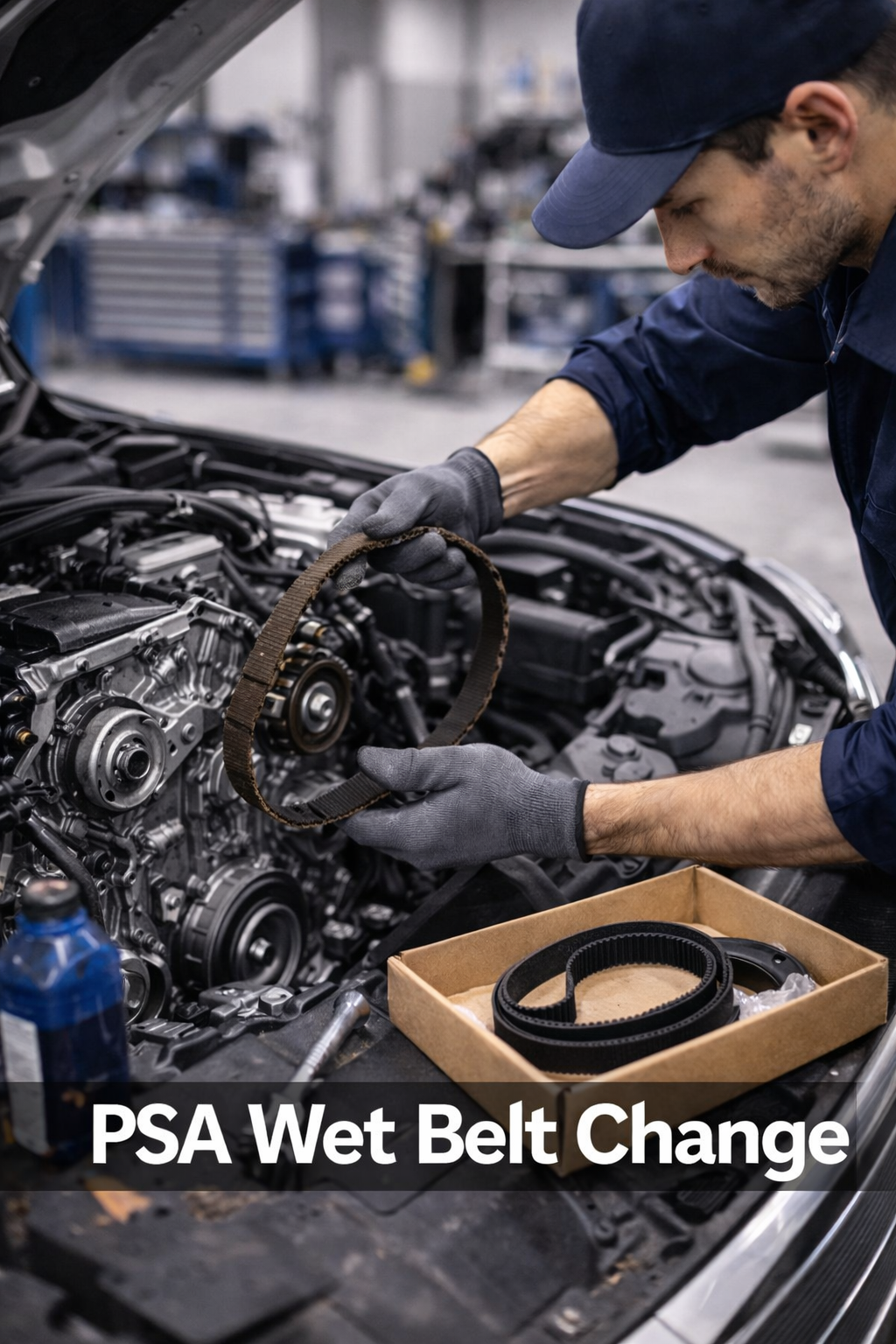
⚠️ 1.2 PureTech Wet Belt Problems Explained
⚠️ 1.2 PureTech Wet Belt Problems Explained
Peugeot, Citroën & Vauxhall Engine Specialists in Lincoln – Andrews Car Centre
The 1.2 PureTech engine, used across many Peugeot, Citroën, DS and Vauxhall models, is known for its strong performance and fuel efficiency. However, in recent years it has also become known for wet timing belt issues.
If you own a vehicle with this engine and are hearing unusual noises, seeing warning lights, or approaching higher mileage, it’s important to understand how the wet belt system works and what can go wrong.
At Andrews Car Centre in Lincoln, we regularly diagnose and replace wet belts on PSA Group engines. Catching the problem early can prevent serious engine damage and expensive repairs.
🔧 What Is the 1.2 PureTech Wet Belt?
Unlike traditional timing belts, the wet belt runs inside the engine and operates in engine oil. It controls the timing between the crankshaft and camshaft, ensuring the valves open and close at the correct moment.
The system was designed to reduce friction and improve efficiency, but it also means the belt is constantly exposed to heat, oil contamination, and chemical breakdown over time.
⚠️ Common Wet Belt Problems
Over time, the wet belt can begin to degrade and break down. When this happens, small particles from the belt can contaminate the engine oil and cause additional problems.
Common issues we see include:
-
Wet belt deterioration or cracking
-
Rubber particles contaminating engine oil
-
Oil pump pick-up becoming blocked
-
Loss of oil pressure
-
Engine timing faults
-
Engine management warning lights
If the belt deteriorates enough, it can eventually slip or fail completely.
🚗 Vehicles Commonly Affected
The 1.2 PureTech engine is fitted to a wide range of vehicles, including:
-
Peugeot 208
-
Peugeot 2008
-
Peugeot 308
-
Citroën C3
-
Citroën C4
-
DS3
-
Vauxhall Corsa (newer models)
-
Vauxhall Mokka
Because the engine is used across multiple brands, the same wet belt issues can appear in many different models.
🔊 Warning Signs of Wet Belt Wear
Drivers often notice early warning signs before serious damage occurs. These may include:
-
Engine warning light
-
Poor engine performance
-
Unusual engine noise
-
Oil pressure warnings
-
Rough running or hesitation
-
Fault codes relating to engine timing
In many cases, the belt may show little external warning, which is why regular servicing and inspection are important.
💥 What Happens If the Wet Belt Fails?
If the belt breaks or slips, the engine timing can move out of sync.
This can lead to:
-
Bent valves
-
Internal engine damage
-
Loss of oil pressure
-
Complete engine failure
Repairing this level of damage can cost several thousand pounds, which is why replacing the wet belt before failure is strongly recommended.
🛠️ Wet Belt Replacement at Andrews Car Centre
Replacing a wet belt is a complex job that requires specialist tools and knowledge.
When we carry out a wet belt replacement at Andrews Car Centre, the job typically includes:
-
Removing the timing components
-
Replacing the timing belt kit
-
Inspecting the oil system for contamination
-
Replacing engine oil and filter
-
Cleaning the oil pick-up where required
-
Resetting engine timing correctly
Using quality parts and correct procedures is essential to ensure long-term reliability.
📍 PSA Wet Belt Replacement in Lincoln
If you own a Peugeot, Citroën or Vauxhall with the 1.2 PureTech engine, it’s worth having the wet belt checked as the vehicle approaches the recommended replacement interval.
At Andrews Car Centre in Lincoln, our experienced technicians can inspect the engine and advise if a replacement is required.
Preventative maintenance can help protect your engine and avoid costly repairs.
🔍 Searches this article targets
-
PSA wet belt replacement Lincoln
-
Peugeot engine repair Lincoln